Kenya’s higher education sector is undergoing significant changes in how students in public universities and TVET institutions receive financial support. The country’s Student-Centred Funding Model was introduced to move away from institution-based funding and instead allocate support according to the financial needs of individual students.
Under the model, funding combines government scholarships, student loans and household contributions, with the level of support determined by a student’s assessed financial need. The Universities Fund says scholarships can range from 30% to 70%, while the remaining costs can be covered through loans and household contributions.
The approach is intended to make public funding more targeted and equitable. However, the growing debate around the model raises an important question: How can Kenya reform education financing without making higher education inaccessible to students from low-income families?
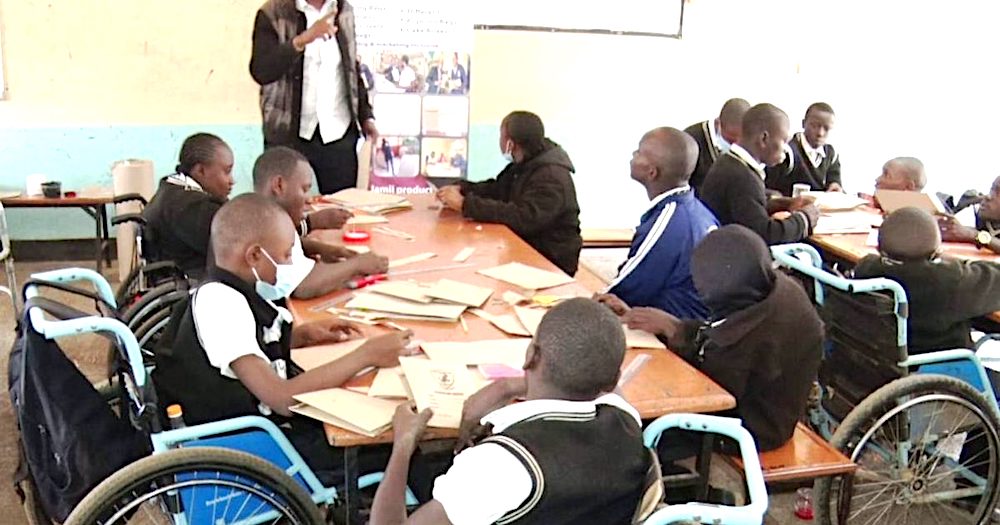
For many Kenyan families, university and TVET education represents an important pathway out of poverty. When financial barriers increase, students may be forced to postpone their studies, choose courses based on affordability rather than interest, or abandon higher education altogether.
At the same time, Kenya needs a sustainable system that can support the growing number of students entering universities and technical institutions. The Ministry of Education’s TVET plans, for example, project continued growth in public TVET enrolment and include scholarships intended to reduce financial barriers to skills training.
This makes it important for reforms to balance financial sustainability with equity and opportunity.
TVET institutions are increasingly important in preparing young people for employment, entrepreneurship and a changing economy. Skills in areas such as technology, engineering, manufacturing, ICT and other technical fields can help young people participate meaningfully in Kenya’s economic development.
The government’s medium-term TVET plans include expanding enrolment, dual training programmes and scholarships, demonstrating the growing role of technical skills in Kenya’s human-capital development.
At Telesky Foundation, we believe that financial circumstances should not determine whether a young person gets the opportunity to learn, innovate and build a future.
Education funding reforms should therefore be designed around access, fairness and long-term opportunity. Vulnerable students need strong protection, while families should receive clear information about scholarships, loans and available support.
For us, access to education also means preparing young people for the digital economy. Supporting students with digital skills, ICT resources, mentorship and career guidance can complement financial assistance and help them turn education into meaningful opportunities.
Looking Ahead
Kenya’s education financing system must evolve as the number of students grows and government resources face increasing pressure. But reform should never lose sight of the student at the centre of the system.
Every child who works hard to pursue higher education deserves a fair opportunity to achieve their potential—regardless of their family’s financial background.
Investing in education is not simply an expenditure. It is an investment in Kenya’s future workforce, innovators, entrepreneurs and leaders.
Telesky Foundation — Empowering young people through education, technology and opportunity.


