

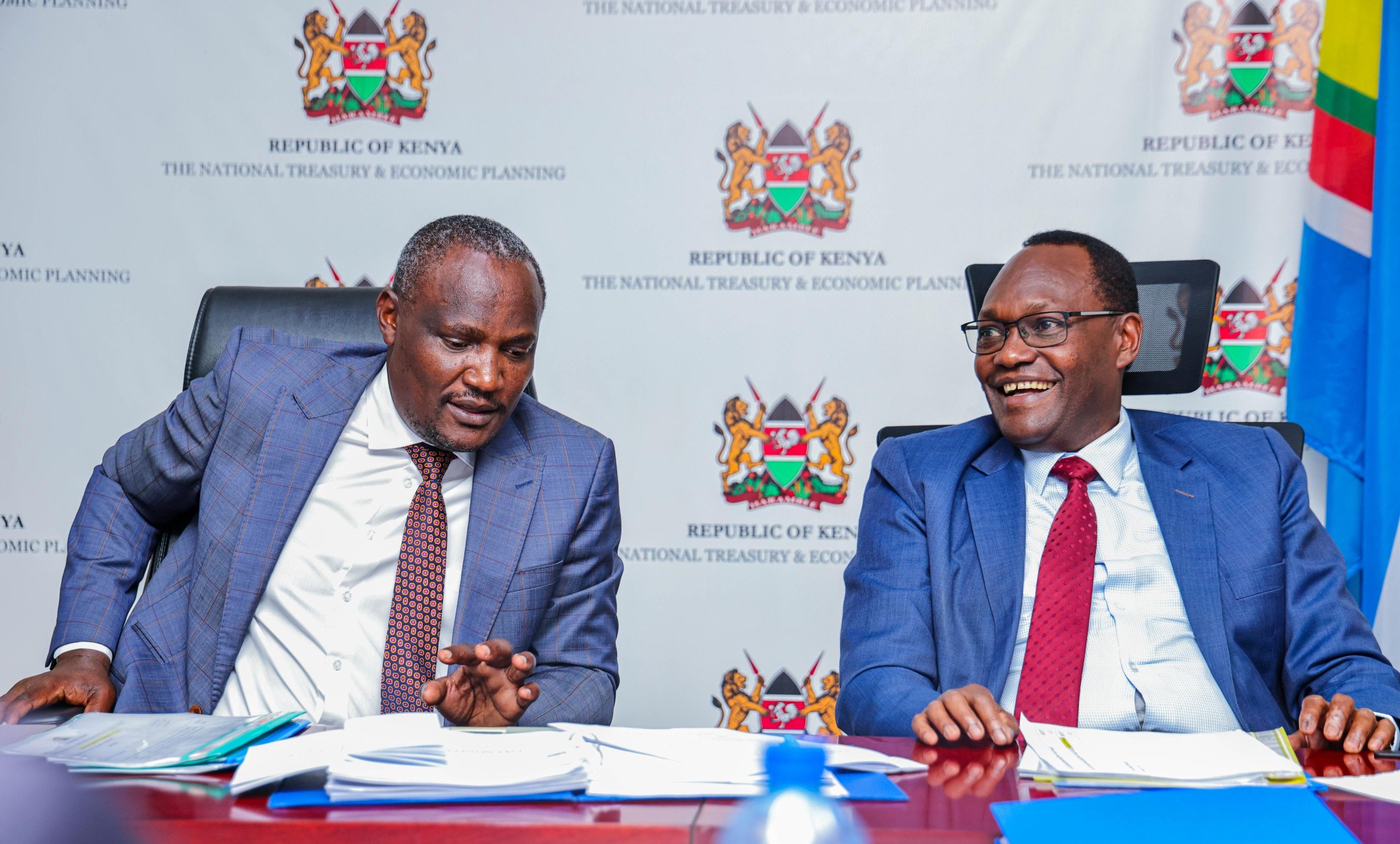
As Kenya continues its journey toward economic stability and sustainable development, the Finance Bill 2026 has emerged as one of the most discussed policy proposals in the country. The bill, currently undergoing public participation, seeks to enhance government revenue collection while addressing the growing national debt burden. However, as with previous finance bills, it has attracted significant public scrutiny and debate.
The Finance Bill serves as the government’s primary instrument for implementing tax and revenue measures that support the national budget. This year’s proposal comes at a time when Kenya faces increasing financial obligations, including debt repayments, funding for infrastructure projects, healthcare, education, and social protection programs.
One of the major concerns raised by citizens has been the spread of misinformation regarding proposed taxes. Reports circulating on social media suggested that the government intended to introduce new taxes on basic commodities such as bread, second-hand clothing (mitumba), and vehicle circulation. Government officials have since clarified that these claims are inaccurate and do not form part of the Finance Bill 2026 proposals.
The clarification has highlighted the importance of public participation and access to accurate information. Citizens are encouraged to review the official proposals and contribute their views through the ongoing consultation process. Public engagement remains a critical component of democratic governance, ensuring that tax policies reflect the needs and realities of ordinary Kenyans.
Economists note that the government faces a delicate balancing act. On one hand, there is a need to raise sufficient revenue to fund public services and reduce reliance on borrowing. On the other hand, excessive taxation could place additional pressure on households and businesses already grappling with the high cost of living.
The government has emphasized that its focus is on broadening the tax base, improving tax administration, and sealing revenue leakages rather than imposing punitive taxes on essential goods. These measures are intended to strengthen fiscal sustainability while supporting economic growth and job creation.
Kenya’s public debt remains a key concern for policymakers. A significant portion of government revenue is directed toward debt servicing, limiting the resources available for development projects. By enhancing domestic revenue collection, the government hopes to reduce borrowing and improve the country’s long-term financial health.
Business leaders and civil society organizations have welcomed the opportunity for public consultation but continue to call for transparency, accountability, and prudent use of public resources. Many argue that taxpayers are more willing to contribute when they see tangible improvements in service delivery and infrastructure development.
As discussions on the Finance Bill 2026 continue, the outcome will have far-reaching implications for Kenya’s economy, businesses, and households. The challenge for policymakers will be to strike a balance between raising the revenue needed to fund national priorities and protecting citizens from undue financial strain.
Ultimately, the success of the Finance Bill will depend not only on the measures it introduces but also on the level of public trust it earns. Through meaningful dialogue and informed participation, Kenyans have an opportunity to shape policies that support economic growth, fiscal responsibility, and shared prosperity.
Leave a Reply