

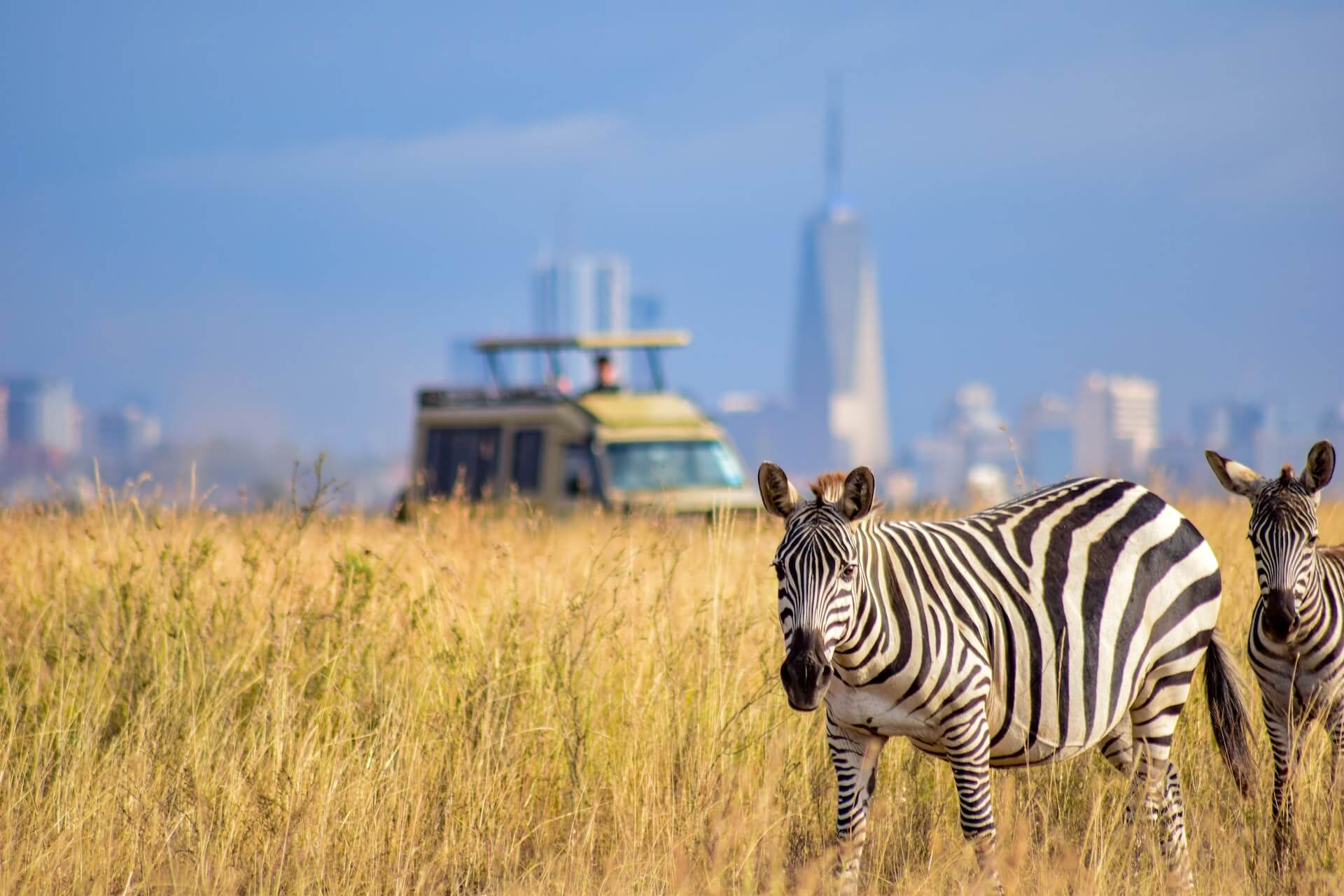
For decades, Nairobi National Park has stood as one of Kenya’s greatest natural treasures—a breathtaking wilderness where lions roam against the backdrop of a growing city skyline. As the world’s only national park located within a capital city, it has become a symbol of Kenya’s commitment to wildlife conservation and environmental stewardship.
Today, however, this iconic sanctuary finds itself at the center of a heated national debate.
Recent plans for infrastructure development within and around the park have sparked widespread concern among environmentalists, conservation groups, and ordinary citizens. Demonstrations have erupted in Nairobi, with activists calling on the government to reconsider projects they believe could threaten the park’s delicate ecosystem and wildlife migration corridors.
The controversy intensified when several demonstrators were arrested during peaceful protests, including former Chief Justice David Maraga, whose participation drew significant public attention. His presence underscored the growing concern that environmental conservation is not merely an ecological issue but also a matter of public accountability and national heritage.
Why Nairobi National Park Matters
Established in 1946, Nairobi National Park covers over 117 square kilometers and is home to a rich diversity of wildlife, including lions, rhinos, giraffes, zebras, cheetahs, and more than 400 bird species. Beyond its ecological importance, the park contributes significantly to Kenya’s tourism industry, generating revenue, creating jobs, and showcasing the country’s natural beauty to the world.
Perhaps most importantly, the park serves as a critical refuge for endangered species and acts as an outdoor classroom where thousands of students learn about biodiversity and environmental conservation every year.
The Development Dilemma
Supporters of the proposed developments argue that Kenya must continue expanding its infrastructure to support economic growth, improve transportation, and meet the needs of a rapidly growing population. They maintain that development and conservation can coexist through careful planning and mitigation measures.
Conservationists, however, warn that even seemingly small encroachments can have lasting consequences. They fear that disrupting wildlife corridors could increase human-wildlife conflicts, reduce animal populations, and permanently alter the ecological balance that has sustained the park for generations.
Many environmental experts emphasize that once natural habitats are lost, restoration becomes difficult, expensive, and sometimes impossible.
A Call for Sustainable Solutions
The ongoing debate presents Kenya with an important opportunity to demonstrate leadership in sustainable development. Rather than viewing conservation and development as opposing forces, experts suggest that innovative planning can help achieve both objectives.
Public participation, environmental impact assessments, and transparent decision-making processes remain essential in ensuring that development projects do not compromise critical natural resources.
Protecting a Legacy for Future Generations
At its core, the Nairobi National Park debate is about more than land and infrastructure. It is about the kind of legacy Kenya wishes to leave for future generations.
Will future children have the opportunity to witness lions roaming freely just a few kilometers from a bustling city? Will Nairobi continue to be recognized globally for its unique coexistence of urban life and wildlife?
As discussions continue, one thing remains clear: Nairobi National Park is more than a protected area. It is a national treasure, a symbol of Kenya’s environmental heritage, and a reminder that economic progress must be balanced with the responsibility to protect the natural world.
The decisions made today will shape not only the future of the park but also Kenya’s reputation as a global leader in conservation for generations to come.
Leave a Reply